Home › Commercial Stone Masonry
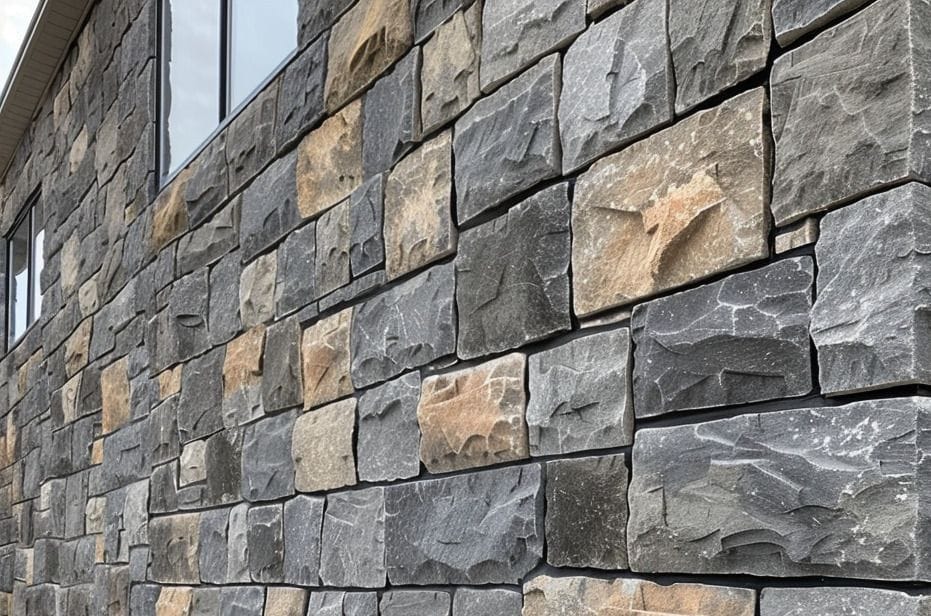
We provide commercial stone masonry in Baltimore, MD for building facades, entry features, and site walls. Our crews install natural and manufactured stone to meet design and performance requirements. From retail storefronts to institutional projects, we deliver high quality stonework that stands out.
Superior Masonry Baltimore provides professional commercial stone masonry throughout Baltimore, MD, Maryland and the surrounding area. Our licensed, insured crew delivers safe, clean, on-time work with a free estimate before anything begins. Call (410) 849-6723 or request your free quote.
Commercial Stone Masonry for Baltimore Properties
Superior Masonry Baltimore provides commercial stone masonry that is tailored to how buildings in Baltimore actually function and age. Whether you manage a historic brick-and-stone storefront in Fells Point, a medical office near Johns Hopkins, or a multi-tenant complex in the suburbs, our focus is long-term durability and clean, professional appearance.
Commercial stone work is different from residential projects because it must meet stricter codes, handle heavier foot traffic, and integrate with complex building systems like storefront glazing, roofing, and waterproofing. Our crews are experienced with occupied buildings, so we stage work to keep entrances open when possible, coordinate with security and property management, and minimize noise during critical business hours.
We work with owners, facility managers, GCs, and architects to select stone types, anchoring systems, and joint details that stand up to Baltimore’s wet winters, salt exposure from deicing, and frequent freeze-thaw cycles. Our goal is always the same: commercial stone masonry that looks sharp for clients and customers and does not become a maintenance headache in five years.
Types of Commercial Stone Masonry We Offer
Superior Masonry Baltimore handles both structural and veneer stone systems for a wide range of commercial properties.
Common applications include:
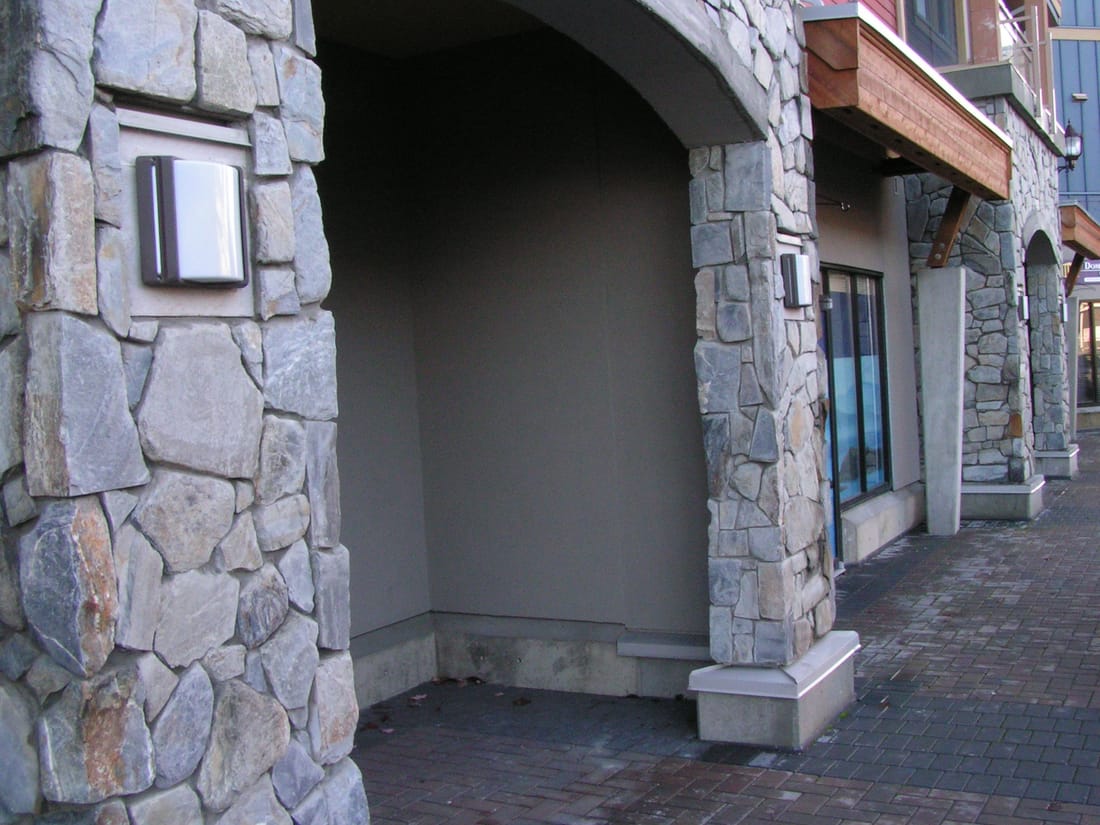
• Stone veneer for retail facades, office buildings, and restaurants, using natural stone or manufactured stone anchored to CMU or framed walls.
• Full-depth stone for entries, piers, and low walls where impact resistance and mass are important, such as school campuses or municipal buildings.
• Stone cladding on multi-story buildings that uses engineered anchors and shelf angles to support the load without overstressing the backup wall.
• Stairways, ramps, and accessible entrances with stone treads and risers, coordinated with handrails and code-compliant landings.
• Site masonry such as stone planters, seat walls, monument signs, and column bases for canopies.
Material options we commonly install around Baltimore include regional granites, Indiana limestone, bluestone, and high-quality manufactured stone. For each project we explain the pros and cons: limestone is excellent for formal facades but needs careful detailing to avoid staining in polluted urban air, while dense granite handles heavy salt and traffic at hospitals or parking structures. We help you match the stone to both the look of your brand and the abuse the building will actually take.
How Our Commercial Stone Masonry Process Works
For commercial stone masonry, a clear process avoids delays and cost surprises. Superior Masonry Baltimore follows a step-by-step approach that you will see on every project.
1. Site walk and condition assessment. We start with a walk-through to review existing walls, foundations, and adjacent materials. We look for movement cracks, deteriorated joints, past patching, and water patterns on the facade. For new construction we review the structural drawings and details for stone support angles, control joints, and flashing.
2. Design coordination. We coordinate with your architect or engineer to confirm stone sizes, veneer thickness, anchoring systems, and joint layout. Where details are missing or unclear, we propose practical solutions that meet code and suit local weather, such as adding weep systems at shelf angles or adjusting joint width to accommodate thermal movement.
3. Submittals and mockups. Before major work begins, we provide stone samples, shop drawings, and mortar color selections. For many commercial projects in Baltimore, we build a small on-site mockup panel so your team can approve color blend, joint tooling profile, and alignment with windows or signage.
4. Substrate preparation. We inspect and, if needed, repair backup masonry or framing. This can include re-pointing CMU, adding sheathing, or applying air and water barriers. No stone should be set on a compromised substrate, or water will find its way into the building.
5. Installation and quality control. Stone is laid or anchored following the approved pattern, starting from established control lines. Our foreman checks joint alignment, plumb and level every course, and confirms that flashing, weeps, and anchors are installed exactly as detailed. We keep daily logs and photos, which are available to owners and GCs.
6. Cleaning and protection. After curing, we use masonry-safe cleaners appropriate to the specific stone type, followed by a rinse that protects landscaping and nearby surfaces. On busy commercial sites we often install temporary barriers and signage to keep pedestrians off new work until it has properly set.
7. Final walkthrough and documentation. We finish with a punch-list walkthrough. You receive maintenance recommendations, including which cleaning products to avoid and how often to inspect joints and sealants, especially before and after Baltimore’s winter season.
Local Conditions That Affect Stone Masonry in Baltimore
Commercial stone masonry in Baltimore has to contend with several local realities that directly affect design and installation.
Freeze-thaw cycles. Our winters involve frequent temperature swings above and below freezing. Moisture that enters poorly detailed joints or micro-cracks can freeze and expand, which leads to spalling and surface scaling. We specify joint profiles and sealants that shed water, and we prefer denser, less porous stone for high exposure areas like parapets and entry steps.
Deicing salts and street grime. Urban sidewalks and parking areas are heavily salted in winter. Salts can migrate into stone and mortar, causing efflorescence and long-term deterioration. In these zones, Superior Masonry Baltimore recommends salt-resistant stone and carefully chosen sealers that allow vapor to escape while slowing salt penetration.
Historic fabric and adjacent brick. Many Baltimore commercial buildings mix old brick with newer stone features. Tying new stone into old brick requires compatible mortar strengths and flexible connections that allow the old structure to move without cracking the new work. We often perform test patches to check how existing materials react to cleaning or new mortar before committing to full-scale work.
Humidity and driving rain. Summer humidity and coastal storms can push water against facades for hours. Proper flashing, weeps, and ventilation cavities behind stone veneer are critical. Skipping these details may not cause an immediate leak, but it typically shows up as interior staining or mold a few seasons later. We bring this up clearly during planning so it can be handled before walls are closed.
Cost Factors for Commercial Stone Masonry Projects
Superior Masonry Baltimore is straightforward about what drives the cost of commercial stone masonry so you can budget accurately and compare proposals on equal footing.
Key cost drivers include:
• Stone type and finish. Natural granite and limestone cost more than manufactured stone veneer, and specialty finishes such as thermal or honed surfaces add fabrication cost. Large-format panels usually cost more per square foot than smaller, modular units.
• Complexity of layout. Simple running-bond veneer around a low retail facade is less expensive than intricate patterns, radiused walls, or detailed column wraps. Integrating stone with curtainwalls, metal panels, and signage also adds layout time.
• Height and access. Work above the second story may require suspended scaffolding or lifts, which add labor and rental costs. Busy downtown locations might require sidewalk closures and after-hours work, which also impact price.
• Substrate condition. If backup masonry is deteriorated, out of plumb, or inadequately reinforced, we must bring it up to standard before attaching new stone. This can range from minor patching to more extensive structural repairs.
• Protection and phasing. Working around ongoing business operations, hospital entry drives, or school drop-off zones must be carefully phased. Additional barricades, dust control, and off-hours work will be reflected in the budget.
During our estimating process we break these factors out in clear line items instead of hiding them in a lump sum. That allows owners, GCs, and architects to make informed tradeoffs, such as switching to a different stone course or simplifying a pattern to free up funds for improved flashing or sealants that will pay off over time.
Common Stone Masonry Problems and How We Prevent Them
Many of the stone issues we repair in Baltimore commercial buildings could have been avoided with better planning and execution. Superior Masonry Baltimore designs installation methods to prevent these common problems from showing up later.
Water intrusion behind stone veneer. This often stems from missing or poorly lapped flashing, clogged or absent weep holes, or mortar droppings that bridge the drainage cavity. Our crews use mortar collection devices and routinely clean the cavity as they go. We verify that weeps are open before each lift is closed.
Cracked or stained joints. Joints fail when the wrong mortar or sealant is used, when movement joints are omitted, or when expansion is not considered at long runs of wall. We size control and expansion joints based on building design and local climate data, then select joint materials that are compatible with both the stone and adjacent components.
Efflorescence and discoloration. Some salts will always migrate out of new masonry, but persistent efflorescence usually indicates trapped moisture or incompatible cleaning products. We use low-alkali mortars where appropriate and follow manufacturer-recommended cleaners. For existing buildings with staining, we test in hidden areas first so we do not damage older stone or brick.
Loose stones or anchors. When anchors are under-sized or incorrectly spaced, or when fasteners are not stainless or hot-dipped galvanized, they can corrode and fail. On our commercial projects, anchoring patterns and hardware are engineered and inspected. We keep records of anchor types and locations for future reference during any renovation.
Why Baltimore Owners Choose Superior Masonry Baltimore
For commercial stone masonry, you want a contractor that respects your schedule, your tenants, and your long-term maintenance budget. Superior Masonry Baltimore has completed work for offices, schools, religious institutions, and retail centers across the city, from small facade upgrades to multi-story stone cladding projects.
Our crews are trained masons, not general laborers blended into a masonry crew. That matters when a decision has to be made on site about how to handle a misaligned window opening, a surprise structural issue, or an unexpected change in stone delivery. We solve problems in the field without shortcuts that would compromise durability or appearance.
We are familiar with Baltimore City permit requirements, local inspection practices, and prevailing safety standards. On active commercial sites we coordinate with other trades so stone work does not conflict with mechanical penetrations, signage installs, or storefront glazing.
If you are planning commercial stone masonry in Baltimore or anywhere in central Maryland, Superior Masonry Baltimore can review drawings, walk your property, and provide a detailed proposal that addresses local weather, building use, and maintenance expectations. The result is a stone facade or feature that fits your budget today and continues to perform for decades.