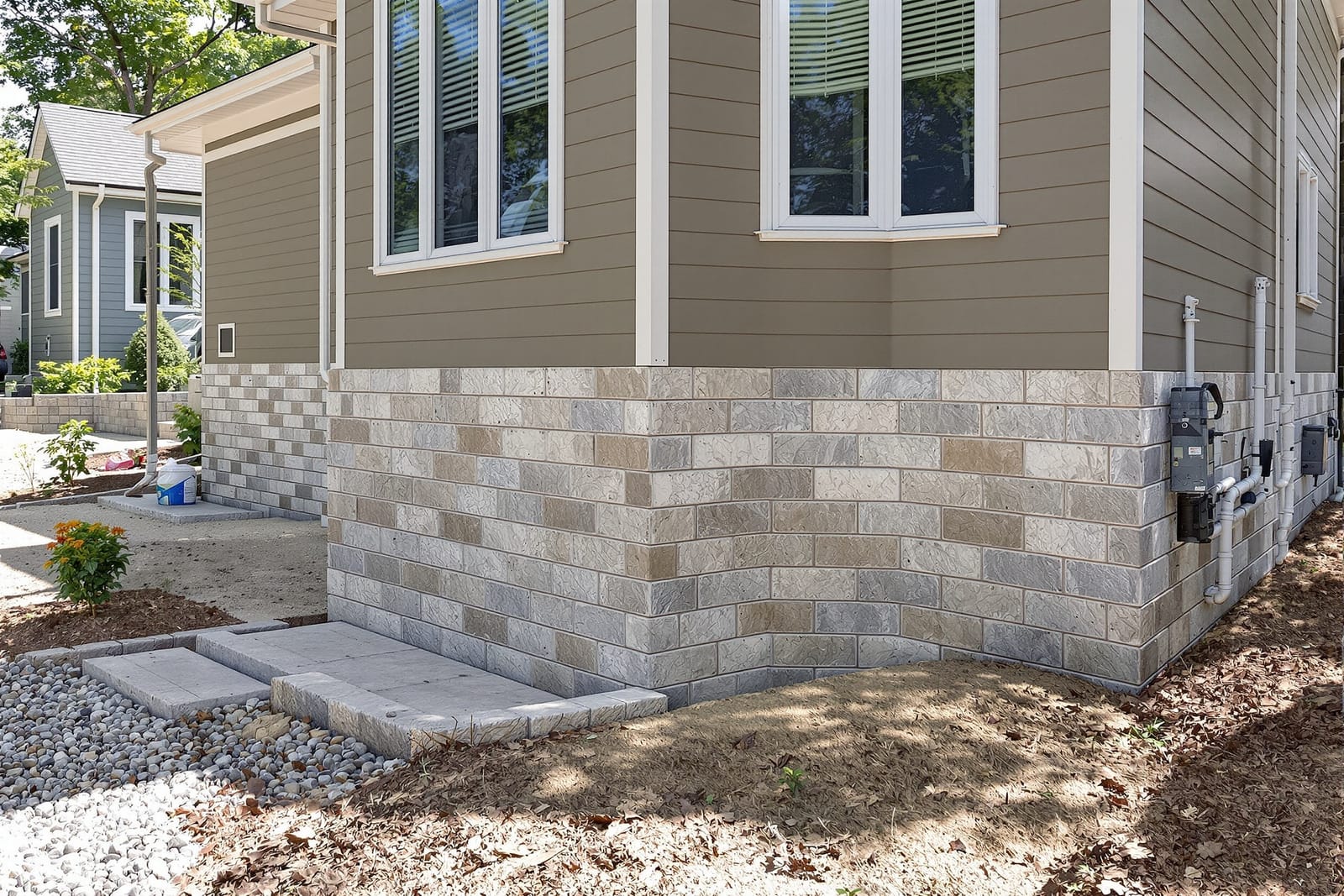
Home › Foundation and Basement Masonry
We handle masonry foundation repair in Baltimore, MD for block and stone basements. Our team addresses bowing walls, step cracks, and moisture issues to protect your home. From structural reinforcement to rebuilding damaged sections, we deliver long lasting basement wall solutions.
Superior Masonry Baltimore provides professional masonry foundation repair throughout Baltimore, MD, Maryland and the surrounding area. Our licensed, insured crew delivers safe, clean, on-time work with a free estimate before anything begins. Call (410) 849-6723 or request your free quote.
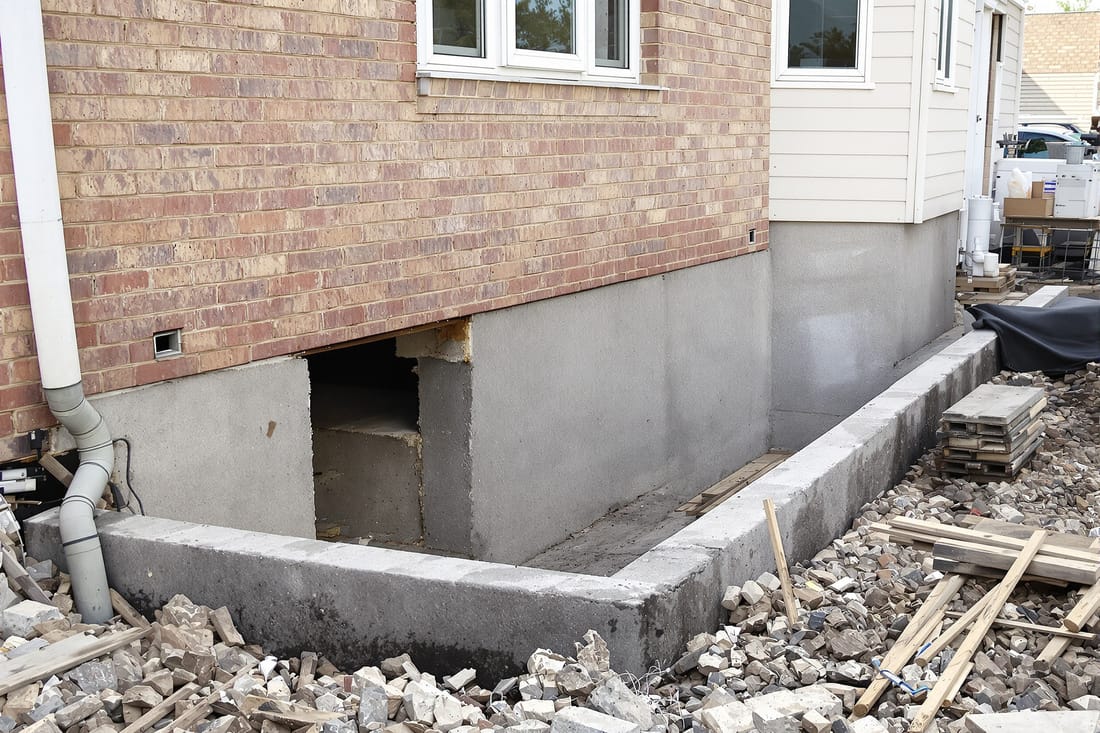
Masonry Foundation Repair for Baltimore Homes
Baltimore has some of the oldest and most varied housing stock on the East Coast, from 19th-century brick rowhomes in Canton and Federal Hill to mid-century single-family homes in Parkville and Towson. That variety means foundation and basement masonry problems show up in many different ways. Superior Masonry Baltimore focuses specifically on masonry foundation repair that fits the age, style, and soil conditions of Baltimore, MD.
We routinely work on brick, stone, concrete block, and poured concrete foundations. In older neighborhoods we often see multi-wythe brick foundations that have softened over time, mortar that has turned to powder, and step cracking that follows the brick pattern. In post-war homes we see concrete block walls that bow inward from years of hydrostatic pressure. Our approach is to identify exactly how your foundation was built, how water and soil are acting on it, and then design a repair that addresses those specific conditions instead of applying a generic patch.
When you call Superior Masonry Baltimore, you are getting a team that looks beyond the obvious crack. We assess the whole system: gutters, grading, nearby trees, previous patch materials, and any interior alterations that may have changed load paths. This diagnostic work lets us recommend repairs that hold up in Baltimore’s freeze-thaw cycles, not just through the next rainy season.
How We Diagnose Foundation and Basement Problems
A solid masonry foundation repair starts with a careful inspection. We begin with an exterior walk-around, looking at brick courses, mortar joints, stair-step or vertical cracks, bulging areas, efflorescence (white powder on the surface), and any signs of prior patching. In Baltimore rowhome alleys we often see hairline mortar cracking and brick spalling on the party wall side that owners rarely check.
Inside the basement we check for horizontal or stair-step cracks in block walls, crumbling joints, rusted steel beams or columns bearing on failing masonry, and signs of movement such as gaps opening between the wall and slab. We also note musty odors, damp spots, peeling paint, and existing waterproofing coatings, because these can hide underlying masonry problems.
We then look at water sources specific to your property. In Baltimore, clogged rear yard drains, shared downspouts between rowhomes, and flat yards with heavy clay soil are frequent culprits. We may run a simple level survey along the wall, check for out-of-plumb sections with a plumb line, and use a moisture meter to see how deep water has traveled into the masonry. Based on these findings, we can tell you whether you need structural rebuilding, reinforcement, targeted repointing, drainage improvements, or some combination.
Typical Masonry Foundation Repair Methods We Use
Superior Masonry Baltimore uses a range of masonry-specific repair methods, selecting the lightest intervention that will remain reliable and safe.
For older brick and stone foundations, a common solution is partial rebuild and repointing. We carefully remove loose brick or stone, clean and salvage sound units, and rebuild the section with compatible mortar. For pre-1930 rowhomes we usually use a lime-rich mortar mix that is softer and more flexible than modern Portland-heavy mixes, which helps the wall move slightly without cracking and reduces future spalling.
For concrete block foundations that are cracked but still largely aligned, we may cut out failing mortar joints and perform structural repointing using a high-strength, low-shrink mortar. Where the wall is bowing, we coordinate with structural stabilization (such as wall anchors or bracing) and then restore the masonry surface. We tie new masonry into the existing wall using stainless steel reinforcement where appropriate, especially in damp basements where corrosion is a concern.
When settlement has caused vertical cracking at corners, we often tooth in new brick or block, stitch the crack with helical or rebar reinforcement set in grout, and then repoint the surrounding area. If the footing is stable and soils are sound, this can be enough to stop further movement. If not, we will tell you honestly that you may need footing or underpinning work before any masonry repair can be considered permanent.
Basement Wall Rebuilding, Tuckpointing, and Waterproofing Integration
Many Baltimore homeowners hear conflicting advice about whether to tackle “waterproofing” or “structural repair” first. As a masonry-focused company, we make sure the wall itself is sound, then integrate moisture control into that work so you are not paying twice for overlapping services.
For walls that are severely deteriorated, we may recommend demolishing and rebuilding a section from the footing up to a certain height. This is common in stone-and-brick hybrid foundations where the stone below grade is still solid, but the brick above has weakened from decades of moisture. We brace the structure as needed, remove failing masonry in controlled sections, clean the footing, and rebuild with new block or brick that matches the structural needs and, where visible, the look of the existing home.
Once the masonry is stable, we can apply parging (a protective cementitious coating) on the interior or exterior surface. In older basements we sometimes remove failing paint and loose parge, then apply a new breathable parging that protects the masonry without trapping moisture behind it. When paired with interior drains or sump systems installed by a waterproofing partner, this creates a more durable and dry basement environment.
Tuckpointing is another key service. We rake out deteriorated mortar joints to a controlled depth and refill them with a mortar formulated to match strength and color. In Baltimore, where many foundations are partially exposed above grade, proper tuckpointing on the outside can significantly reduce water entry and extend the life of a foundation without a full rebuild.
What Drives the Cost of Masonry Foundation Repair in Baltimore
Foundation and basement masonry costs vary widely, and we believe property owners deserve a clear breakdown before committing. Several local factors commonly influence pricing.
Access is a major driver. Rowhomes with narrow rear alleys, limited side access, or no direct truck access may require more labor for debris removal and material delivery. If we must hand-carry block or brick through the house or down tight basement stairs, labor costs increase.
The wall type and condition also matter. Repointing a relatively sound brick foundation with standard joints is less expensive than rebuilding a bowing block wall or reconstructing a rubble stone foundation. Using historically appropriate brick and lime-based mortars for older neighborhoods like Fells Point or Bolton Hill can cost more than basic structural block, but it preserves both appearance and performance.
Depth and extent of damage are equally important. A small area of step cracking at a corner might be resolved with stitching and localized repointing. Widespread inward bowing, chronic water intrusion, or past DIY patches with inappropriate materials (for example, hard cement smeared over soft historic brick) may require more extensive removal and rebuilding.
We provide written estimates that separate masonry repair from any optional upgrades, such as interior parging or cosmetic brick facing, so you can prioritize structural safety first and plan for other improvements as your budget allows.
Common Baltimore Foundation Issues and How We Address Them
Certain problems show up again and again in Baltimore basements. Recognizing them early can save thousands in future repairs.
Brick flaking and spalling at the base of basement walls is very common in older rowhomes. This usually comes from trapped moisture and salts in the brick. Our approach is to remove loose material, address exterior drainage where possible, and use compatible repair mortars that allow moisture to escape. We avoid hard, non-breathable coatings that can make the problem worse.
Horizontal cracks and bowing in mid-century block foundations, especially in neighborhoods with high water tables, signal long-term soil pressure. Here, we coordinate with engineers or stabilization specialists if needed, then restore or rebuild the masonry surface. Once stabilized, we repair cracks, repoint joints, and, where appropriate, install interior parging to protect the block and improve the basement environment.
Mortar loss and open joints in stone or brick foundations are another frequent issue. Left alone, they allow water and insects to enter and can lead to settlement. We carefully clean out loose mortar, sometimes by hand in delicate historic work, and repoint with a mortar blend matched to the existing material. This both restores strength and significantly reduces water entry.
In all cases, Superior Masonry Baltimore explains the difference between cosmetic fixes and structural repairs so you can make informed decisions based on risk, budget, and how long you plan to own the property.
What Baltimore Homeowners Should Ask Before Hiring a Masonry Contractor
Before you hire anyone for masonry foundation repair in Baltimore, MD, there are a few key questions that help you avoid costly mistakes.
Ask what type of foundation you have and have the contractor explain it in plain language. A competent masonry contractor should be able to tell you whether your wall is solid brick, brick over stone, concrete block, or poured concrete, and how that affects the repair. If they cannot clearly describe your existing construction, they are not prepared to design the right fix.
Request details about the specific repair steps and materials. You should know whether they plan to repoint, rebuild, parge, or reinforce, and what type of mortar and masonry units they will use. In older Baltimore homes, make sure they are not using very hard mortar on soft historic brick, since that can cause future damage.
Check how they will handle dust, debris removal, and access, especially in tight city lots and shared alleys. At Superior Masonry Baltimore, we outline how we will protect interior finishes, manage material deliveries, and coordinate with neighbors if work affects a party wall.
Finally, ask about how the contractor will integrate their work with any drainage or waterproofing solutions. Masonry foundation repair should not ignore water sources. We are transparent about when you may also need gutter corrections, grading changes, or interior drains, and we can coordinate with other trades so that structural and water management solutions work together rather than against each other.