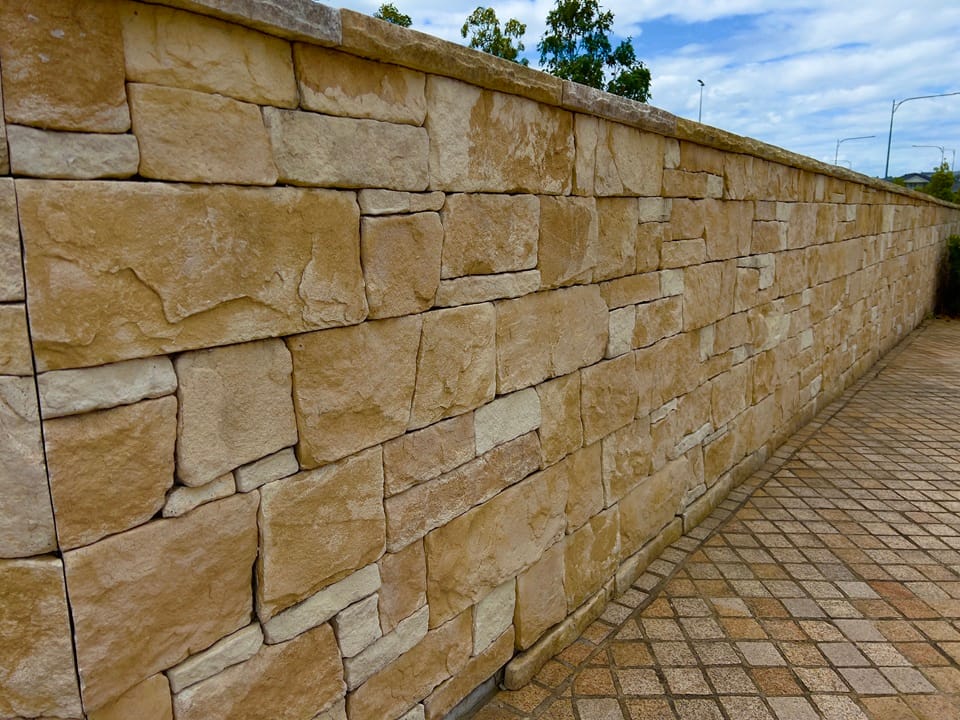
We provide expert stone masonry in Baltimore, MD, crafting natural stone walls, steps, and accents that boost both strength and style. Our masons carefully select and fit each stone for a tailored, timeless look. From rustic to refined, we deliver stonework that fits your home and budget.
Superior Masonry Baltimore provides professional stone masonry throughout Baltimore, MD, Maryland and the surrounding area. Our licensed, insured crew delivers safe, clean, on-time work with a free estimate before anything begins. Call (410) 849-6723 or request your free quote.
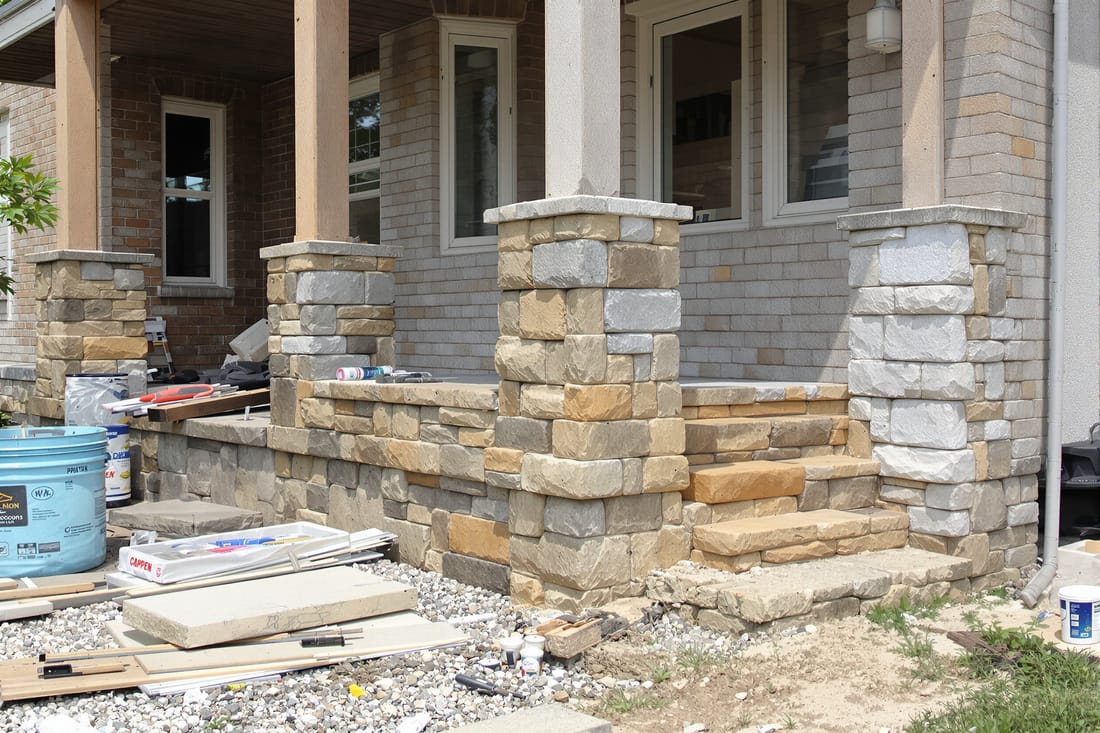
Stone Masonry Services in Baltimore, Built for Local Conditions
Stone masonry in Baltimore is not just about appearance. Our freeze-thaw cycles, rowhome foundations, and older brick neighborhoods mean your stonework has to be detailed correctly or it will start cracking and shifting within a few years. At Superior Masonry Baltimore, we design and build stone work specifically for central Maryland soil and weather so it holds up instead of becoming a maintenance headache.
When you call us for stone masonry, we start by asking where the stone will go and what it needs to do. A backyard retaining wall needs drainage and footing depth that is very different from a decorative stone veneer on a front stoop. We ask about how water currently moves across your yard, where downspouts discharge, and whether you see puddling or damp basement walls. These answers shape the design and prevent common failures like bulging walls or stone faces popping off.
In Baltimore we work on a mix of 100-year-old stone foundations, newer concrete block homes, and small city yards. For older houses in areas like Hamilton, Lauraville, or Remington, we often have to tie new stonework into irregular existing stone or brick. That means custom cutting, pinning, and using bonding agents that work with old lime-based mortar. For newer suburbs and county properties, we are usually dealing with poured concrete and newer block, so we adjust our preparation and attachment systems accordingly.
From the start, we talk openly about budget, access to the site, and local permitting if the stonework affects grading or retaining height. Not all stone projects need permits in Baltimore City or County, but taller structural walls and some front-yard changes can. We help you understand what applies before you spend money on plans or materials.
How We Actually Build Stone Masonry (Step by Step)
Stone masonry is very hands-on, and the quality has everything to do with the order of operations. Superior Masonry Baltimore follows a consistent process so the project does not shift, crack, or trap water over time.
1. Site evaluation and layout: We check soil type, slope, and existing structures. For retaining walls, we measure the exact height and length, mark layout lines, and confirm where utilities run. In Baltimore, shallow gas and water lines in older neighborhoods are common, so we call Miss Utility before digging.
2. Excavation and base: For most structural stone walls, we dig a trench below the frost line or to a depth appropriate for the wall height, then compact the subgrade with a plate tamper. We install several inches of crushed stone base, not just loose gravel, and compact in layers. This base is what keeps the wall from settling unevenly when winter freeze and spring thaws move the soil.
3. Footing or foundation: Depending on the project, we either pour a reinforced concrete footing or build on a deeply compacted stone base. For taller walls and steps, we often use a concrete footing with rebar pinned into adjacent structures where needed. For veneer on a house, we install a proper moisture barrier, metal lath on framed walls, or use special anchors on concrete or block.
4. Stone selection and sorting: We sort stone by size and thickness on site before we lay the first course. This avoids the common mistake of stacking too many small stones in one area, which creates weak points. For natural stone, we spend time choosing face stones with good bedding planes so they sit solidly without wobbling.
5. Laying stone and mortar joints: We butter each stone with mortar, bed it firmly, and tap it into alignment. Joints are kept consistent and full, without voids behind the face. On structural work we tie back stones periodically so the wall is locked together front to back, not just a shell.
6. Drainage and backfill: On retaining walls we install perforated drain pipe with clean gravel behind the wall and filter fabric to keep soil out of the stone layer. This step is what prevents hydrostatic pressure from pushing the wall forward after heavy Maryland rains.
7. Tooling, cleaning, and curing: We tool the joints once the mortar starts to set, then clean the stone faces without smearing joints. Proper curing is critical, especially in cool or very hot weather. In colder months we use covers and sometimes warming techniques so mortar does not freeze before it gains strength.
Stone Types, Layout Patterns, and Design Choices
The right stone and layout make a big difference in both cost and longevity. Superior Masonry Baltimore helps you pick materials that work with your home’s style, the Baltimore climate, and your budget.
Natural stone options: For local projects we often use Pennsylvania fieldstone, bluestone, and regional granite or gneiss. These stones handle freeze-thaw cycles well and do not flake apart in a few winters. For walkways and patios, full-range bluestone is common because it has a natural texture that is less slippery in wet or icy conditions. For walls we might mix larger fieldstone with smaller chinking stones to tighten joints and improve strength.
Manufactured stone veneer: For front facades, chimneys, and accent walls, cultured stone veneer can cut costs while providing a consistent look. It is lighter and installs over framed walls with a lath and scratch coat system. We pay close attention to weep details at the bottom so water can escape, which is especially important on Baltimore rowhomes that already struggle with moisture.
Patterns and layout: For patios and walkways, pattern choices include random flagging, running bond, or ashlar. Random flagging looks more natural but takes more cutting time, so labor costs are higher. Straight running bond or modular patterns go down faster and can be more budget-friendly. For walls we can do rubble style (irregular stones) or more formal coursed work (level lines). Rubble style hides small adjustments well, which is useful when tying into existing older stonework.
Color and finish considerations: Baltimore rowhouses and older detached homes often have red or brown brick. We usually recommend stone that either contrasts clearly with the brick or matches tones so it does not look almost-but-not-quite the same. On steps and caps we often use thermal-finished bluestone because the light texture provides better traction than polished stone when it is raining or icy.
Cost, Timing, and What Drives the Price of Stone Masonry
Stone masonry is labor-heavy, so most of the cost is in skilled time rather than materials. Superior Masonry Baltimore explains cost drivers up front so there are fewer surprises midway through your project.
Access and site conditions: Tight Baltimore alleys, limited parking, and narrow side yards can slow down work significantly. If materials must be moved by wheelbarrow through a basement or along a shared alley instead of with machinery, labor time rises. Steep slopes or the need for extra excavation due to poor soil also add to cost.
Type of stone and thickness: Natural stone, especially full-depth building stone, is more expensive to buy and to install because it is heavier and slower to shape. Thin veneer stone or manufactured stone usually installs faster and requires less structural support. Large-format flagstone patios cost more than smaller pavers partly because each piece must be hand set and leveled.
Structural vs decorative work: A load-bearing retaining wall that holds back several feet of soil requires deeper base, more drainage stone, and sometimes geogrid reinforcement. This is more involved than a low garden wall that is mainly decorative. Chimneys, foundations, and structural columns also demand more reinforcement and inspection.
Season and schedule: In Baltimore, the best time for new stonework is usually April through early June and September through October. Summer heat can dry mortar too quickly and cold snaps in late fall and winter can weaken fresh joints if not protected. We can work through much of the year, but projects that must be tented or heated in winter will cost more and may take longer.
Existing damage or demolition: Rebuilding failed stonework means undoing what is already there. Removing old concrete, failing block, or improperly installed veneer adds prep time. When we estimate, we factor in demolition, disposal, and the time needed to tie into what remains solid so the new work is not sitting on a bad base.
Common Problems We Fix and How to Choose a Stone Mason in Baltimore
The issues we see most in Baltimore are bulging retaining walls, loose stone steps, spalling or flaking stone faces, and stone veneer that has separated from the wall. Many of these problems come from missing drainage, weak bases, or mortar mixes that are too hard or too soft for the stone they are holding.
For older stone foundations and garden walls, we often see mortar that has eroded so deeply that stones are loose. The fix is not to smear new mortar over the front. We rake out bad joints to the proper depth, clean the surfaces, and repoint with a compatible mortar. On historic work we sometimes use lime-based mortar instead of modern high-cement mixes, which can be too stiff and cause stones to crack along the edges.
Loose or wobbly stone steps are common at Baltimore rowhomes and city duplexes. In many cases the risers or treads were set without a proper concrete base or they were patched with mismatched mortar. We usually remove loose pieces, correct the base, reset the stone with full mortar beds, and adjust riser heights so each step is consistent and safe.
When you hire a stone mason in Baltimore, ask specific questions: How deep will the base be for this wall or patio in this soil? What kind of drainage will you install behind the wall? How will you tie new stone into my existing brick or block? Can you show local projects that are at least three years old so I can see how they have held up? A good mason will answer clearly and in plain language.
Superior Masonry Baltimore focuses on explaining the plan in detail before work starts. We leave you with information on how to care for your stonework, including when to avoid deicing salts, how to manage downspout discharge, and what small changes you can watch for that might signal a problem early when it is cheaper to fix.