Home › Masonry Restoration and Historic Preservation
We provide historic masonry restoration in Baltimore, MD for landmark brick and stone buildings. Our team uses compatible materials and careful methods to clean, repair, and stabilize aging facades. From repointing to selective replacement, we respect original details while extending the life of historic structures.
Superior Masonry Baltimore provides professional historic masonry restoration throughout Baltimore, MD, Maryland and the surrounding area. Our licensed, insured crew delivers safe, clean, on-time work with a free estimate before anything begins. Call (410) 849-6723 or request your free quote.
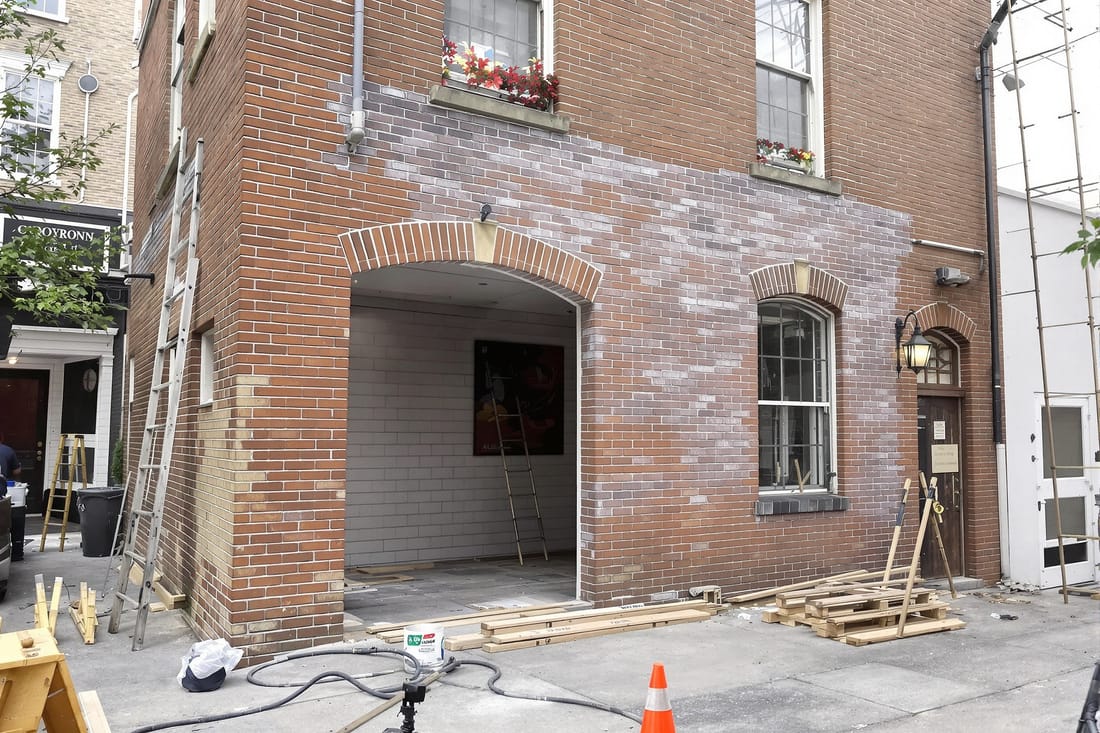
Masonry restoration for Baltimore’s historic homes and landmarks
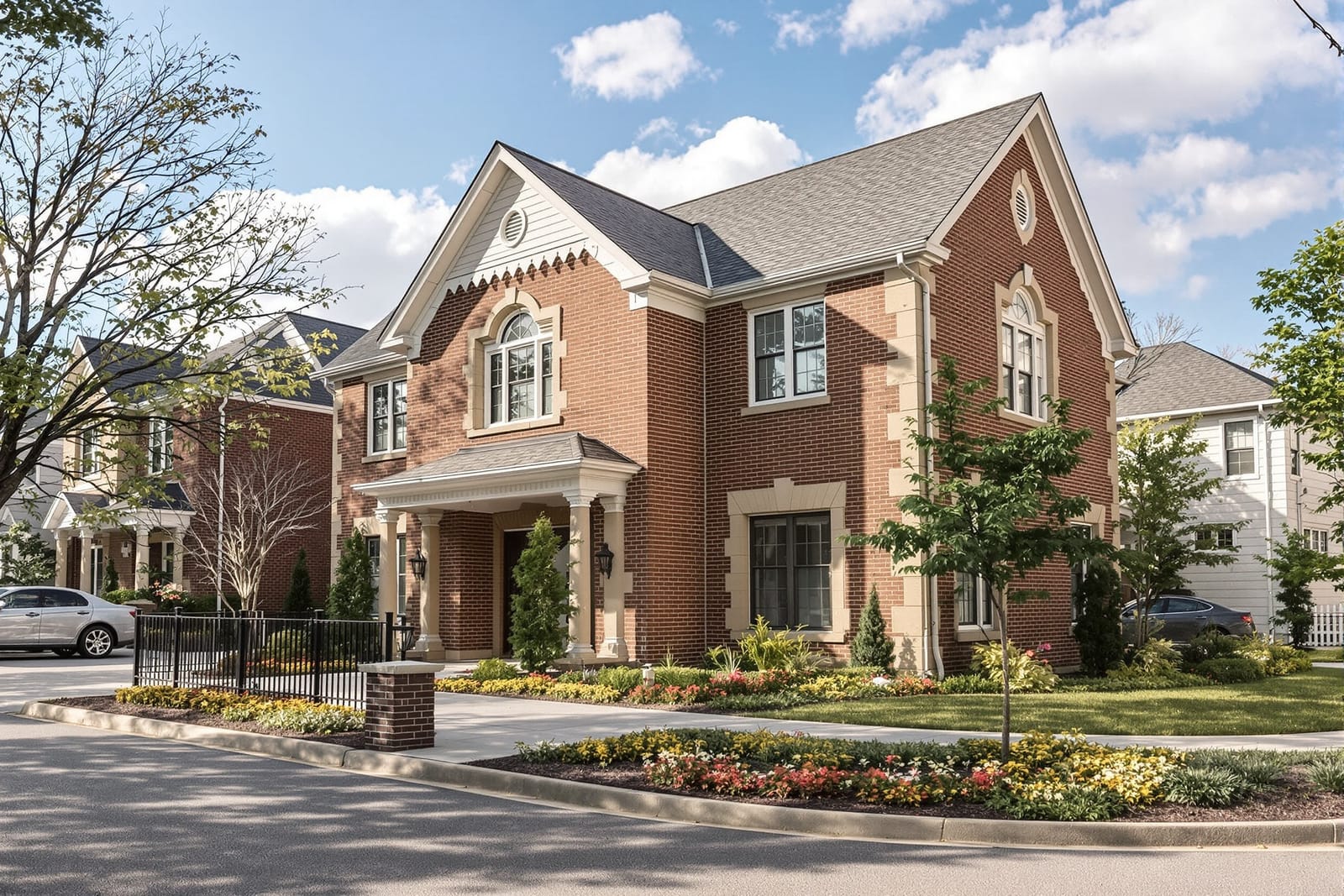
Superior Masonry Baltimore specializes in historic masonry restoration for rowhomes, churches, institutional buildings, and commercial properties across Baltimore City and the surrounding Maryland counties. Our team understands the quirks of local brick, stone, and mortar, from 19th‑century Federal facades in Fells Point to early 1900s storefronts along North Avenue.
Historic masonry restoration is not cosmetic patching. It is a careful process of stabilizing the structure, matching original materials, and correcting the causes of damage so you get decades of added life, not a quick fix. We evaluate how your building was originally built, what it has endured in Baltimore’s freeze‑thaw cycles and humid summers, and how previous repairs may have helped or harmed it.
Every project starts with a detailed site inspection. We look for bowing walls, open mortar joints, spalled brick faces, failed coatings, rusted lintels, and water entry points at parapets and chimneys. We document existing conditions with photos, measurements, and where needed, small test removals so there are no surprises once work starts. This careful pre planning allows Superior Masonry Baltimore to propose solutions that protect both the building and its historic character.
Our step‑by‑step process for historic masonry restoration
For historic masonry restoration projects, we follow a proven, methodical process tailored to Baltimore’s building stock.
1) Investigation and testing: We start with a hands‑on survey, tapping masonry to find hollow or delaminated areas, probing joints for softness, and checking moisture levels. On older structures in neighborhoods like Mount Vernon or Bolton Hill, we often perform mortar analysis so we can replicate the original lime content, sand color, and texture.
2) Stabilization and safety: Before restoration begins, our crew addresses immediate safety concerns, such as loose cornice pieces, unstable chimney sections, or severely deteriorated parapet walls. We install scaffolding or swing stages and debris netting where required, obtain permits from Baltimore City, and coordinate with any adjoining property owners.
3) Careful removal of failed material: We remove deteriorated mortar using hand tools or low‑impact power tools to avoid enlarging joints or chipping brick edges. For failing bricks, stone units, or terracotta blocks, we remove only what is necessary and support adjacent units as needed. This approach preserves as much original fabric as possible.
4) Repair and replacement in kind: We select replacement brick or stone that matches the size, color range, and absorption rate of the original. For historic rowhomes, that might mean sourcing softer, handmade‑look brick instead of modern, hard‑fired units. For stone, such as local Maryland fieldstone or marble steps, we match both the material and the tooling pattern.
5) Finishing and water management: Once structural repairs and repointing are complete, we address flashing, caps, and coatings to manage water. This might include new metal copings on parapets, re‑bedded stone caps, or breathable mineral coatings that allow moisture to escape while protecting the masonry face.
Historic repointing (tuckpointing) with compatible mortars
Repointing is one of the most common needs for historic masonry in Baltimore and also one of the easiest to get wrong. Many older buildings were built with soft lime‑rich mortar that is weaker than the brick or stone around it. If a contractor repoints with a modern, hard Portland cement mix, the mortar can trap moisture and force damage into the brick faces, leading to spalling and cracking.
Superior Masonry Baltimore uses mortar that is compatible with the original construction. We often design custom mixes for each project based on compressive strength, permeability, and appearance. We pay close attention to details like joint profile and tooled finish, which can significantly affect how a restored wall looks compared to its original state.
Our repointing process includes raking out mortar joints to a proper depth (usually two to three times the joint width), cleaning with low‑pressure water or gentle brushing, and dampening joints before refill to promote strong bonding. We place the new mortar in thin lifts so it cures evenly, then tool it to match adjacent work. This level of detail is what keeps an 1880s brick facade on a Federal Hill rowhouse looking authentic instead of patched.
Addressing common Baltimore masonry problems at their source
Baltimore’s climate and building traditions create a predictable set of problems that we see again and again in historic masonry.
Water intrusion at parapets and party walls: Many rowhomes have tall parapet walls that catch wind‑driven rain. Over time, caps crack, flashing fails, and water runs into the wall cavity. We repair these issues by rebuilding damaged parapet sections, installing new through‑wall flashing, resetting or replacing stone or brick caps, and re pointing both sides of the wall.
Spalled brick and delaminated stone: Road salt spray, hard cement patches, and repeated freeze‑thaw cycles can cause brick faces to pop off and stone to delaminate. We remove damaged units, check for salt crystallization inside the wall, and use replacement units that match the original porosity. Where appropriate, we may use sacrificial rendering or poultices to draw out salts before completing the finish work.
Failed coatings and trapped moisture: Many older buildings were painted or coated with non breathable products that trap moisture inside the wall. We use cautious methods to remove failing coatings, test for moisture movement, and recommend breathable alternatives, such as mineral silicate paints, or in some cases, no coating at all. The goal is to allow the masonry to manage moisture naturally rather than rely on constant repainting.
Structural movement and settlement cracks: Narrow, stepped cracks may be cosmetic, while wider or shifting cracks can signal structural issues. We identify which is which, coordinate with structural engineers when necessary, stitch cracks with helical ties or pins, and rebuild localized areas when movement has compromised stability.
Historic preservation approach and working with guidelines
Historic preservation projects in Baltimore often involve local or state review, especially in districts like Mount Vernon, Fells Point, or Federal Hill, or when tax credits are involved. Superior Masonry Baltimore is experienced in working within these frameworks while still delivering practical, long‑lasting repairs.
We review any existing documentation, such as original drawings, prior restoration reports, or landmark designation materials. When a project is subject to the Baltimore Commission for Historical and Architectural Preservation (CHAP) or Maryland Historical Trust guidelines, we prepare scopes of work that align with their expectations, such as repair before replacement, reversibility of interventions where possible, and accurate material matching.
For owners, this means we explain the impact of these guidelines on your schedule, cost, and finish options in plain language. If a modern, off the shelf product would damage the historic fabric or violate guidelines, we will say so and offer an alternative approach. When preservation rules allow some flexibility, we help you decide where to invest in period accurate details and where a discreet modern improvement can offer better durability or energy performance.
Our crews are trained to work neatly and respectfully around occupied buildings, including churches and multi family residences, and to protect historic features like trim, original windows, and decorative ironwork adjacent to the masonry we are restoring.
Cost factors and planning your masonry restoration budget
The cost of historic masonry restoration in Baltimore varies widely, and understanding what drives the numbers helps you plan realistically and avoid low bids that lead to poor outcomes.
Key cost drivers include:
Access and height: Work at higher elevations, such as church towers or multi story facades, requires more scaffolding, lift equipment, and safety measures. Corner properties on busy streets may need sidewalk closures or protective bridging, which adds permitting and setup costs.
Scope and severity: A wall that needs selective brick replacement and localized repointing will cost far less than one that requires full depth rebuilding due to long term water damage. Hidden conditions, such as rotted backup framing behind a brick veneer, can also impact the final cost.
Material matching and detailing: Custom mortar mixes, special order brick runs, carved stone replacements, or historically detailed cornice work require more time and craftsmanship. While these features sometimes increase the initial investment, they help preserve the building’s value and prevent mismatched patches that devalue historic properties.
Occupancy and phasing: Working around an operating business, school, or residence may require phased work, off hour schedules, or additional protection and cleanup, all of which can affect pricing.
Superior Masonry Baltimore provides transparent, itemized proposals that distinguish between essential structural repairs and optional appearance driven enhancements. We are upfront about conditions that might change the scope once walls are opened and can often phase large projects over multiple years to match your budget and funding sources.
What to look for when hiring a historic masonry restoration contractor
Choosing the right contractor for historic masonry restoration in Baltimore is critical because mistakes are expensive to reverse and can permanently damage the building fabric.
Look for experience with similar building types: A contractor who mainly builds new brick veneers may not understand the behavior of solid masonry walls built before modern codes. Superior Masonry Baltimore’s portfolio includes pre war rowhomes, institutional stone buildings, and church towers throughout Baltimore and central Maryland.
Ask about mortar and material matching: A qualified contractor should be able to explain, in detail, how they choose mortar types, match aggregates, and select replacement brick or stone. Vague answers or a one size fits all mortar mix are red flags for historic work.
Confirm knowledge of local climate and codes: Baltimore’s freeze thaw cycles, coastal humidity, and local code requirements are specific factors that must be considered in product selection and detailing. The contractor should know how these conditions influence flashing design, parapet construction, and coating choices.
Request references and site visits: Whenever possible, visit a completed project that is a few years old to see how the work has held up. We regularly connect prospective clients with past customers and can point out completed projects in neighborhoods near yours so you can see the quality in person.
Finally, make sure your contractor is fully insured, OSHA compliant, and prepared to obtain permits and coordinate any required historic reviews. A thoughtful, documented approach to planning is often the clearest sign that your building is in capable hands.